How fleet data helps businesses make better operational decisions
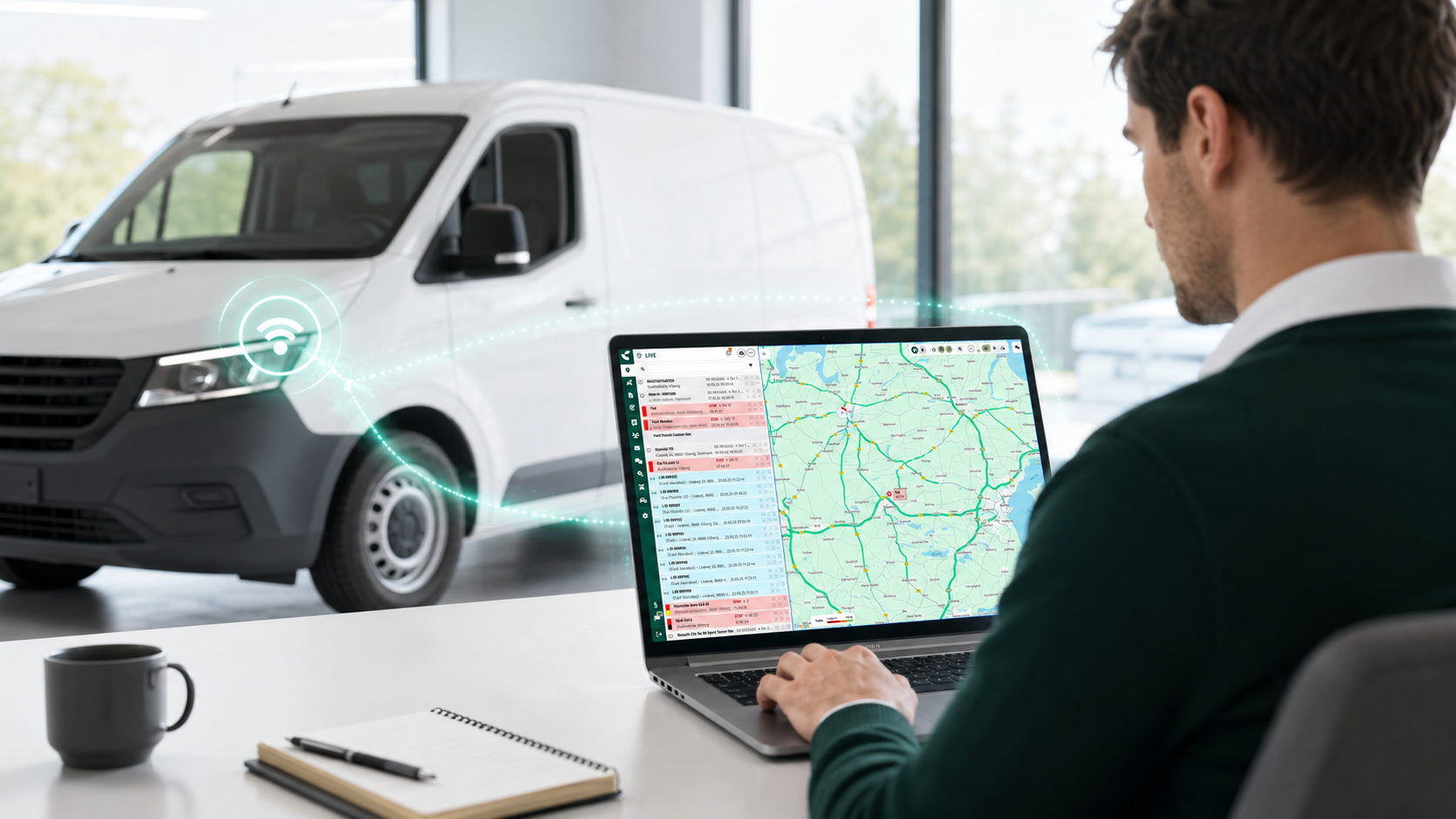
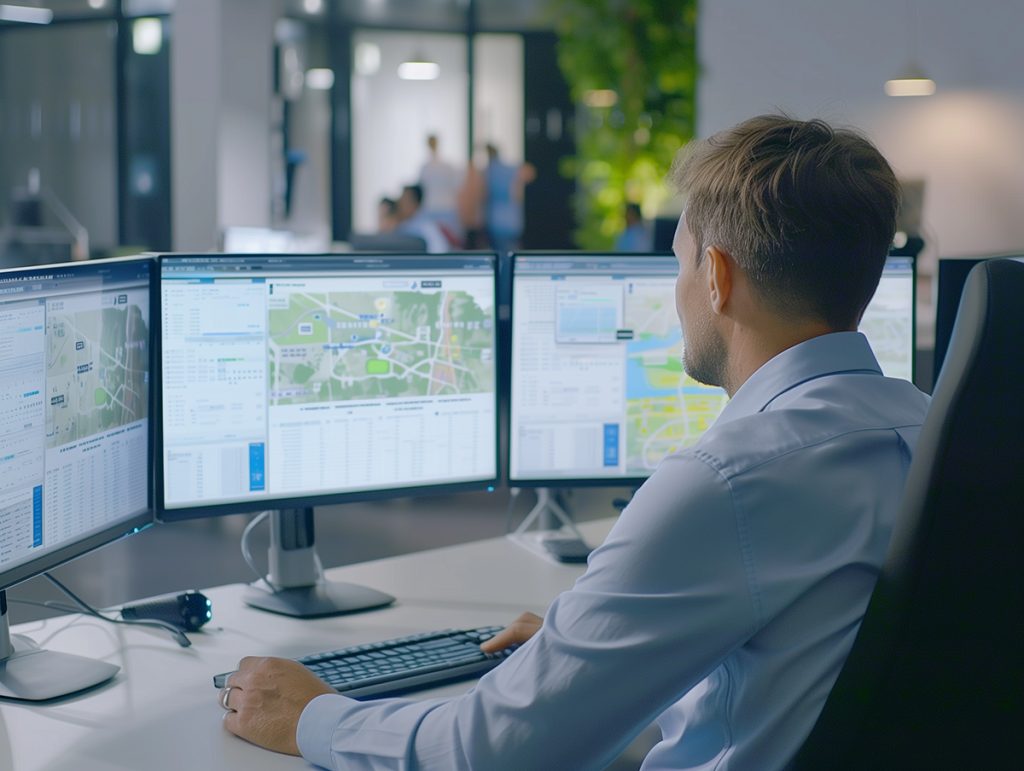
Fleet data is easy to collect. The real value comes from knowing what to do with it.
Mileage, trip history, fuel consumption, idling, vehicle activity and utilisation can all reveal patterns that are difficult to see in everyday operations.
By turning that data into useful insights, fleet managers can identify where attention is needed and make decisions based on what their vehicles are actually doing — rather than assumptions.
Here are four areas where fleet data can help turn insight into action.
Understand how your fleet is being used
Fleet data gives you visibility into mileage, trips, idling and vehicle activity across your fleet.
Instead of looking only at total costs or kilometres, you can identify differences between vehicles and investigate why they occur.
Is one vehicle driving significantly more than similar vehicles? Is another spending unusually long periods idling? Are some vehicles rarely being used?
These patterns give fleet managers a starting point for deciding where changes may be useful.
Identify driving patterns that need attention
Driving data can highlight patterns such as speeding, harsh acceleration, braking and excessive idling.
Rather than relying on individual incidents or assumptions, fleet managers can use the data to identify recurring patterns and determine where feedback or driver training may be useful.
The same information can also help explain differences in fuel consumption between similar vehicles and working patterns.
Make better use of vehicles and assets
More vehicles or equipment do not necessarily mean better capacity.
Usage data can help identify vehicles or assets that are rarely used, while others may be heavily utilised.
With a clearer picture of actual usage, businesses can make better-informed decisions about vehicle allocation, fleet size and whether equipment should be moved between teams or locations.
This can also help avoid unnecessary purchases when existing resources are not being fully utilised.
Support reporting and documentation
Fleet data can also reduce the time spent collecting information for reports and documentation.
Mileage, vehicle activity, fuel consumption and CO₂ data can be kept together and used as input for internal reporting, while relevant tachograph data can support transport operators with their documentation requirements.
Having reliable information available in one system makes it easier to find the data when it is needed.
Data only creates value when you use it
Collecting fleet data is only the first step.
The real value comes from turning that information into questions, identifying patterns and deciding where action may be needed.
Whether the goal is to reduce unnecessary driving, understand vehicle utilisation, control fuel costs, plan maintenance or improve reporting, reliable data gives fleet managers a stronger basis for making decisions.
Better decisions start with knowing what is actually happening in your fleet.
Want to see what your fleet data can tell you?
See how EcoMobility brings vehicle data together and turns it into insights you can use in your daily operations.