How telematics helps fleet managers make better decisions
Fleet vehicles generate valuable data every day. The challenge is turning that information into something you can actually use.
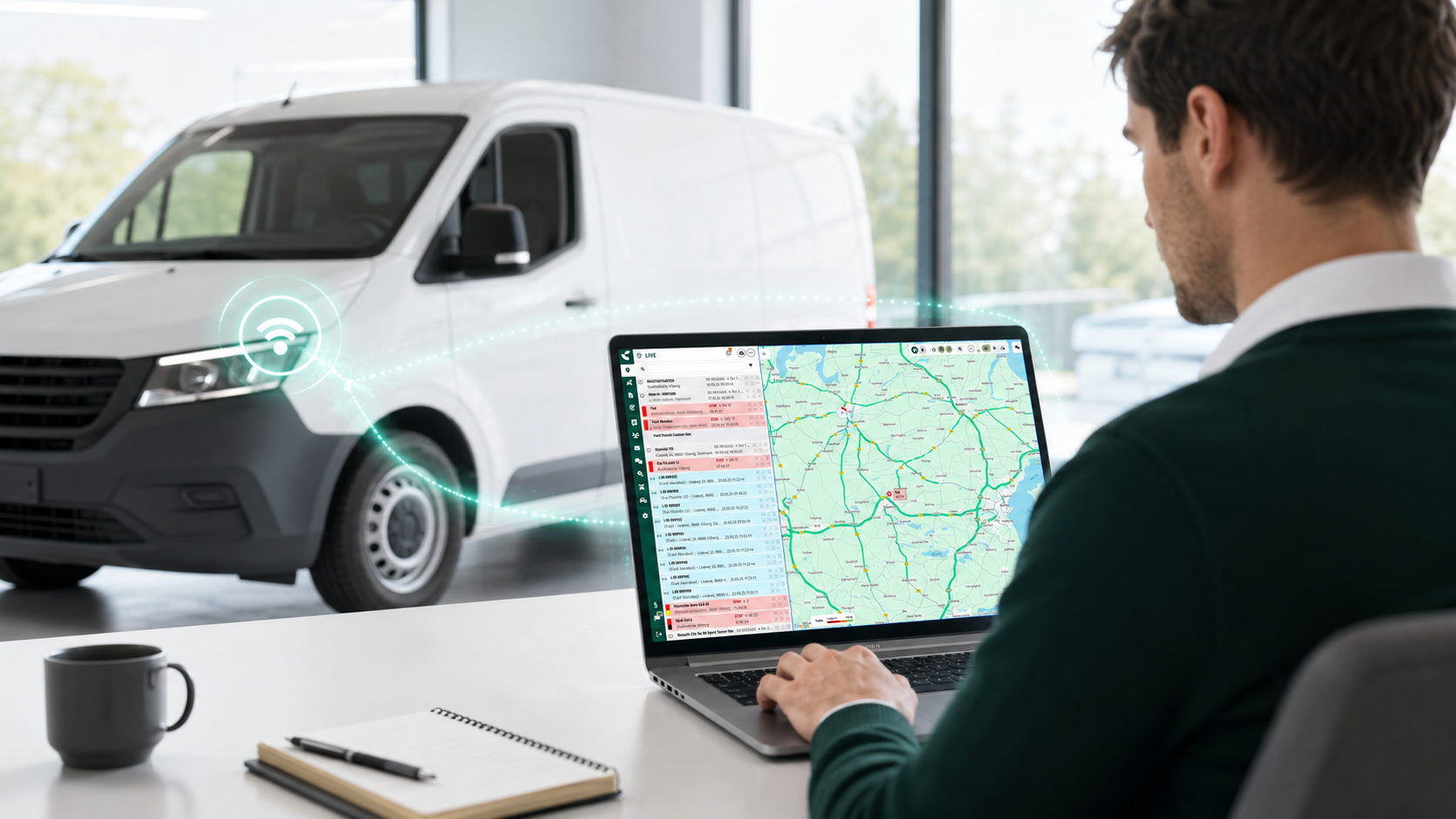
Telematics combines vehicle location and activity data to give fleet managers a clearer picture of how their vehicles are being used.
From mileage and idling to maintenance and driving patterns, the right data can help businesses identify issues, understand trends and make better-informed operational decisions.
Here are four areas where telematics can make a practical difference.
1. Get a clearer view of fleet activity
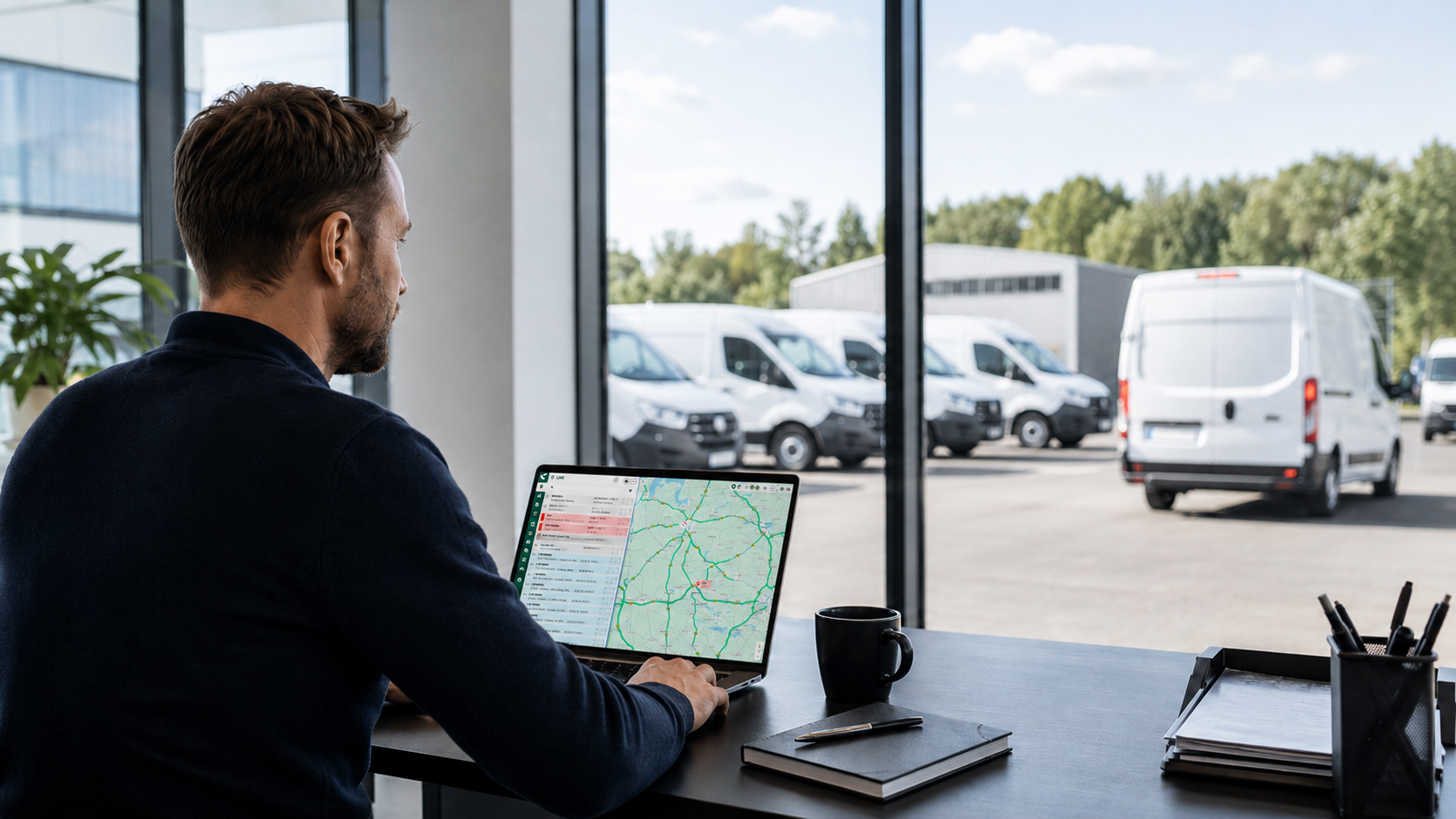
Vehicle tracking gives fleet managers visibility of where vehicles are and how they are being used during the working day.
Live location and historical trip data can help answer everyday questions: Which vehicle is closest to the next job? How many kilometres has a vehicle driven? Where was it at a specific time?
This information can support better dispatch, reduce unnecessary driving and make daily fleet planning easier.
2. Plan maintenance based on actual vehicle use
Vehicles in the same fleet can accumulate mileage at very different rates. Telematics data makes it easier to monitor actual vehicle use and identify when individual vehicles are approaching service intervals.
Where additional vehicle data is available, it can provide further information that may help fleet managers identify issues requiring attention.
Better visibility can make maintenance planning less dependent on spreadsheets, calendar reminders and last-minute checks.
3. Identify driving patterns that need attention
Driving data can help highlight patterns such as speeding, harsh acceleration, braking and excessive idling.
Fleet managers can use these insights to identify recurring patterns and determine where feedback or driver training may be useful.
The same data can also help explain differences in vehicle use and fuel consumption across the fleet.
4. Understand vehicle utilisation
Fleet data can also show how evenly vehicles are being used.
Some vehicles may cover significantly more kilometres than others, while certain vehicles may spend much of their time unused.
Understanding these patterns can support decisions about vehicle allocation, fleet size and whether existing resources are being used effectively.
The value is not the data – it is what you do with it
Telematics gives fleet managers access to more information about how vehicles are being used. But collecting data alone does not improve a fleet.
The value comes from using that information to identify patterns, ask better questions and decide where action may be needed.
Whether you want to reduce unnecessary driving, improve maintenance planning, understand vehicle utilisation or simplify daily fleet administration, reliable data gives you a stronger basis for making decisions.
Want to see what your fleet data can tell you?
EcoMobility brings vehicle data together in one place, helping you understand fleet activity and turn information into useful insights.